Office Clearance in Shoreditch
Office clearance in Shoreditch should be handled with care, timing and a clear plan for the items that leave the workplace. We provide a practical service for clearing desks, chairs, storage units, archive materials and general office contents, helping businesses prepare rooms for refurbishment, relocation or handover. The work is organised so that removal, sorting and disposal can be managed in a measured way, with attention to the items that can be reused, recycled or taken away for responsible disposal.
For many businesses, a clear office clearance service is not simply about emptying a room. It is about making sure furniture, paperwork, electronics and mixed office waste are handled in the right sequence. That may include separating reusable items from general waste, planning access around normal building use and dealing with different room sizes, from single suites to larger floors. If you are comparing options, start with a clear list of what needs removing and what should stay in place.
When you are ready to arrange office clearance in Shoreditch, the simplest next step is to request a quotation. You can do that once you have a rough idea of the volume, the access arrangements and any items that need special handling. A straightforward enquiry helps make the scope clearer and keeps the collection plan focused on the actual work required. If your office contents include bulky furniture or mixed materials, it is useful to mention that early.
Planning Office Clearances for Workspaces of Different Sizes
Every office has its own layout, and that affects how the clearance is carried out. A small studio may only need a few desks and filing units removed, while a larger shared floor can involve meeting tables, pedestals, shelving, reception furniture and boxes of archived materials. The aim is to match the clearance plan to the space rather than forcing every job into the same approach. That keeps the process practical and helps reduce disruption in busy business premises.
We handle a range of office contents, including furniture that may still be suitable for reuse and items that are better directed into waste streams. In many cases, the job is not just about lifting objects away but about sorting the contents carefully so the removal route fits the material. This can be useful where an office contains mixed furnishings, older equipment or items that have been stored for some time. A well-planned clearance also helps when rooms are being reconfigured rather than fully emptied.
For a clearer quotation, it helps to note the rooms involved, the level of access and any item types that stand out. Even a brief description can make a difference when estimating labour and vehicle space. If the office is occupied while work takes place, scheduling may need to allow for quieter movement through shared areas. That kind of planning matters as much as the removal itself, especially where business operations continue during the clearance.
Furniture, Desks and Storage Items
Office furniture is often the most visible part of a clearance, and it can also be the most time-consuming. Desks, chairs, cabinets, tables, reception counters and shelving all need to be removed in a way that suits their size and condition. Some pieces can be taken apart for easier handling, while others need to be moved intact to avoid damage in corridors, lifts or stairwells. The work must be done with care so that the building and remaining fixtures are left in good order.
Where furniture is worn but still structurally sound, it may be separated from general waste so it can be sent onward for reuse or material recovery. That makes the clearance more efficient and gives the contents a more considered route out of the office. We can also deal with mixed furnishings that have been assembled over time, including mismatched storage and older desks that no longer fit the current layout. Different items often need different handling, and that is why a simple one-size-fits-all approach is rarely the best option.
If your office includes larger furniture pieces, let us know whether there are narrow access points, stairs, lifts or other restrictions. A brief outline of the route helps shape the work and can avoid delays on the day. For a quotation, it is useful to mention any items that may need dismantling, plus any furniture that should remain in place. Clear instructions reduce uncertainty and help keep the clearance efficient from start to finish.
Office Waste, Papers and Mixed Materials
Not every office clearance consists of furniture alone. Workspaces often contain bags of mixed waste, archived paperwork, packaging, broken office accessories and other everyday items that have accumulated over time. These materials need to be assessed carefully so that the clearance does not become a simple catch-all removal. A structured approach makes it easier to separate recyclable material, general waste and anything that needs more specific handling.
Paper-heavy clearances can require particular attention because offices often store documents in filing cabinets, archive boxes and loose bundles. Some papers may be ordinary waste, while others may need to remain confidential and be handled securely before disposal. Office clutter can also include stationery, IT packaging, small fittings and redundant equipment that are not immediately obvious until sorting begins. Good office clearance is often about classification as much as removal, especially when the room contains a mixture of materials.
- Loose paperwork and archive boxes
- General office waste and packaging
- Small fixtures and fittings
- Mixed reusable and recyclable items
Furniture Disposal and Recycling Options

Where office items cannot be reused, they still need the right disposal route. Furniture disposal may involve separating components so wood, metal and other materials can be handled appropriately. This is particularly relevant when an office has items that are damaged, outdated or no longer suitable for use elsewhere. The clearance should make room for the next stage of the premises while treating the removed items in a sensible and lawful way.
Recycling and recovery are often part of a well-run office clearance, especially where the contents include a substantial amount of furniture or mixed materials. Chairs may contain different components, desks can have metal frames and storage units can combine several material types. Breaking the job down into manageable groups helps keep the waste stream organised. It can also reduce unnecessary disposal of materials that may be more suitable for recycling than for general waste handling.
If you are requesting prices, the quantity and type of items are usually the most helpful details to provide. A single boardroom table is very different from a floor full of storage cabinets, and that difference affects the work involved. You do not need to over-explain the job, but a straightforward inventory or room-by-room note can make the quotation more accurate. Keep the request simple and specific, and the response is easier to compare.
Business Waste Removal for Offices and Workspaces
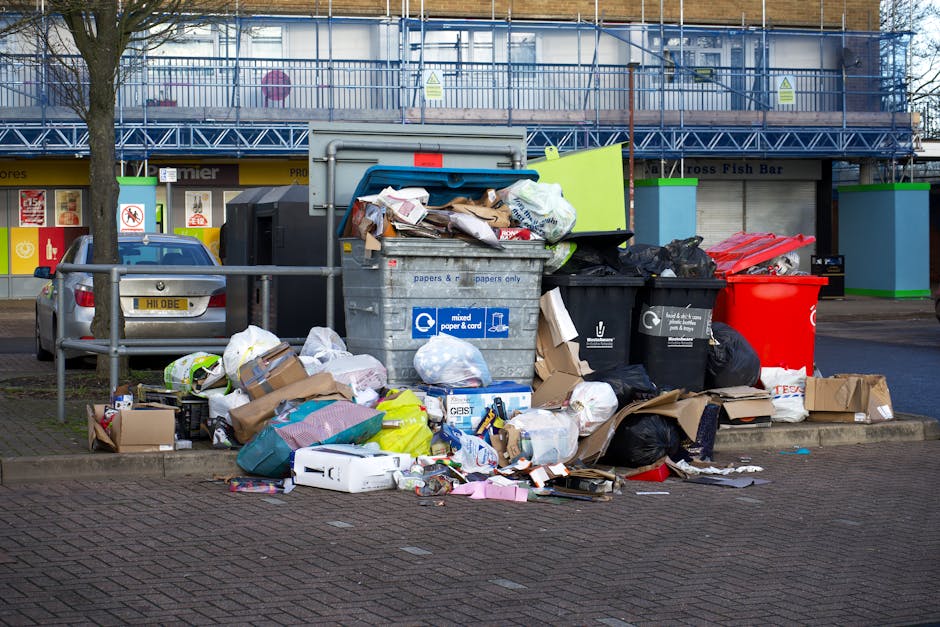
Some office clearances are part of wider business waste removal needs. That can include items from staff areas, storerooms, meeting rooms, reception spaces and back offices, as well as the main working floor. Business waste often builds up gradually, so it can include a mixture of old furniture, packaged stock, redundant equipment and daily waste that has been left aside for collection. A focused removal service helps bring order back to those spaces.
Where business waste includes both furniture and general waste, the practical question is how best to organise it for removal. Heavier items may need to go first, while loose bags and smaller materials can be grouped separately. The smoother the sorting, the smoother the collection. That is one reason offices benefit from a plan that considers volume, access and the condition of the contents before the removal begins. It is also useful where an office is preparing for lease end or internal reorganisation.
For an initial quotation, it helps to mention whether the work is a one-off clearance or part of an ongoing business waste need. If the space contains a combination of items, a simple breakdown by room or category makes it easier to estimate the scope. One short description can be enough when the contents are straightforward, but a fuller note is useful if there are bulky or awkward objects to move.
Handling Access, Timing and Site Conditions
Office clearance is rarely just about lifting items out of a room. Access conditions can influence how the job is carried out, especially in buildings with shared entrances, busy corridors, loading restrictions or upper-floor offices. Stairways, lifts, tight corners and protected surfaces all affect the practical approach. The clearer the access picture, the easier it is to organise a smooth clearance with less disturbance to the rest of the building.
Timing also matters when offices are still being used or when a building has strict rules about noise and movement. Some clearances are arranged outside ordinary working periods, while others need to fit around meetings, deliveries or other tenants. Careful timing can be just as valuable as careful removal, particularly where items must pass through occupied common areas. A sensible schedule can make the process more efficient and more considerate for everyone involved.
When you prepare a quotation request, include any access notes that could affect the work, such as stairs, parking limits, restricted loading or entry procedures. If you know that certain items are especially heavy or awkward, mention those as well. That information helps shape the plan and may avoid surprises on the day. Simple practical details often improve the quality of the estimate more than lengthy explanations do.
About Shoreditch
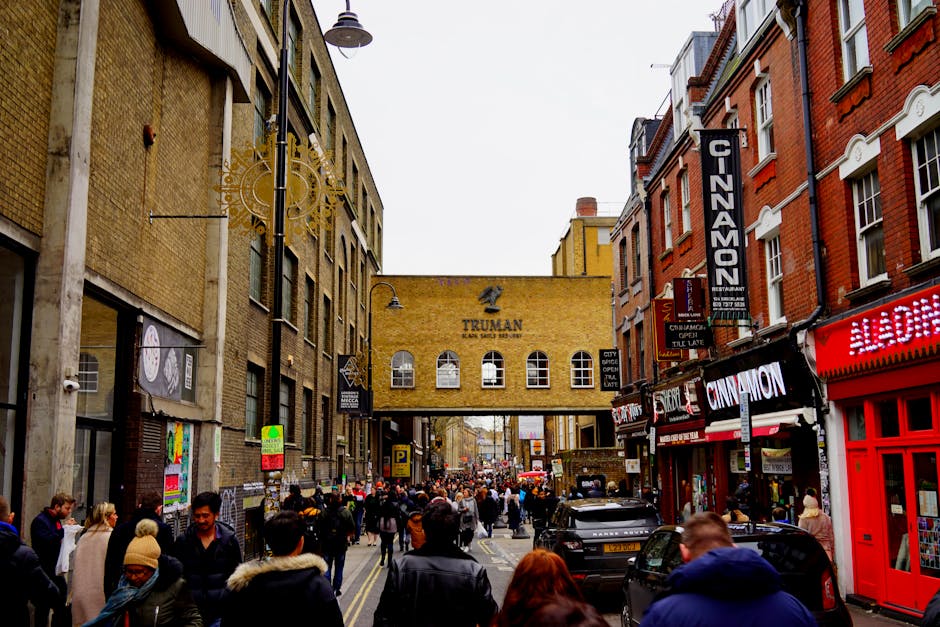
Shoreditch is an inner district of east London with a long history of change, from its early life as a fringe settlement outside the City to its present reputation as a dense, creative and commercial part of the capital. The name is shared by a wider area and a local ward, and it sits close to several other well-known districts including Hoxton, Spitalfields and the edge of the City of London. The locality has been shaped by centuries of settlement, trade and adaptation, which can still be read in its street pattern and the mix of older and newer buildings. Historic landmarks include Shoreditch Church, formally St Leonard’s, whose tower has long been a familiar feature in the area. The district’s built environment also reflects its industrial and Victorian past, with warehouses, former workshops and converted buildings standing alongside modern developments. Shoreditch High Street and its surroundings bring together transport links, markets, cultural venues and busy commercial frontages, while nearby green and open spaces are more limited than in suburban parts of London. The wider area is also associated with the growth of contemporary art, independent retail and hospitality, particularly since the late twentieth century, when former industrial buildings began to attract new uses. Brick Lane, although more closely associated with neighbouring Spitalfields and Whitechapel, contributes to the broader local character through food, trading history and multicultural identity. Railway infrastructure, redeveloped sites and preserved historic fragments all sit close together, making Shoreditch a place where architectural layers remain visible. Its mix of streets, rail links and landmark buildings gives the area a strong sense of urban continuity, even as individual blocks continue to change.
Office Clearance for Refits, Moves and End-of-Tenancy Work
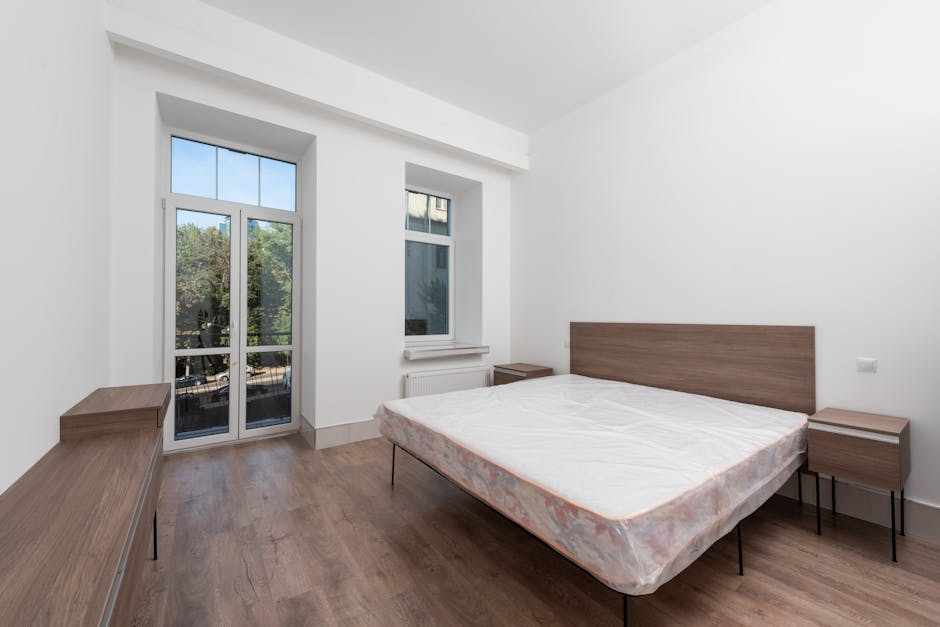
Office clearance is often needed when a business is moving out, refurbishing or adapting the layout for a new phase of use. In those situations, the main task is to leave the space ready for what comes next without leaving behind unwanted contents. That might mean removing desks and chairs first, then dealing with storage, paperwork, small fittings and remaining waste. A careful sequence helps avoid overlooked items and makes the transition smoother.
Some clearances are tied to a partial refit rather than a total emptying of the premises. In that case, only selected rooms or surplus furniture may need to go, while other contents remain in use. Selective clearance requires good judgement, especially where teams are working around the same area and certain items need to be protected. It is often useful to decide in advance what stays, what goes and what should be kept separate for later review.
When requesting a quotation for move-related or end-of-tenancy office clearance, it helps to say whether the space must be fully emptied or only partly cleared. If there are deadlines linked to keys, contractors or building access, that can also be mentioned in the enquiry. Clear scope produces clearer pricing, and it makes it easier to organise the work around the next stage of the premises.
Supporting Small Offices, Multi-Room Sites and Shared Premises

Not all office clearances involve a large corporate floor. Smaller practices, shared workspaces and multi-room premises may only need targeted removal from a few areas, yet the work still benefits from a planned approach. A reception desk, a store cupboard, a meeting room or a small suite can all present different access and handling needs. The service should suit the scale of the job rather than making the customer fit the work into an unnecessary format.
In shared premises, there may be extra care points around common entrances, lifts, corridors and other occupants. That makes communication and organisation important, especially if the clearance must happen alongside daily use of the building. Good coordination reduces disruption and helps ensure the right items are removed without affecting equipment or furniture that stays behind. Where the work is limited to a few rooms, clarity about the boundaries is particularly important.
To request a quotation, send a concise summary of the rooms involved and the type of items to be cleared. If there is anything unusually heavy, confidential or awkward to access, note that as well. You do not need to write a long brief; what matters is that the key points are covered. Helpful details lead to a more useful estimate, and that is often the best starting point for arranging the work.
What to Include When Asking for a Quotation
A quotation for office clearance is most useful when it reflects the real scope of the job. The best enquiries usually include the type of items, the approximate amount of space involved, the number of rooms and any access limitations. If the office contains furniture that needs dismantling or materials that must be separated, that should be mentioned too. The aim is not to create a long list, but to give enough detail for the work to be understood properly.
You may also wish to note whether the premises are occupied, whether the items are spread across several floors and whether the clearance has a fixed deadline. Those points can affect the order of work and the ease of removal. Short, practical notes are often enough, especially when the space is straightforward. If the contents are mixed or the site has building rules, a little extra explanation can help avoid confusion later on.
If you are comparing options, remember that the most helpful quotation is the one based on accurate information rather than broad assumptions. A clear description of the office contents and access conditions makes that possible. When you are ready, ask for a quotation and keep the request focused on the actual rooms and items that need clearing. That gives the job a more reliable starting point.