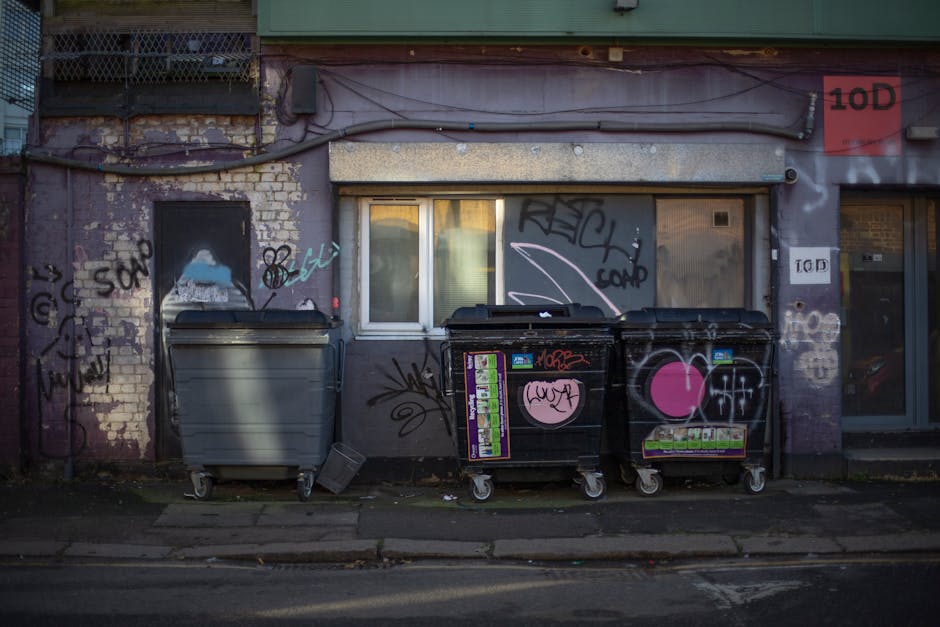
Hackney Council bulky waste rules for Shoreditch homes: a practical local guide
If you live in Shoreditch and you are staring at an old sofa, a broken wardrobe, or a mattress that will not fit through the door, you are probably asking the same thing everyone asks at some point: what are the Hackney Council bulky waste rules for Shoreditch homes, and what is the simplest way to get rid of it without hassle? Fair question. Bulky waste sounds straightforward until you have to sort access, collection timings, accepted items, and what happens if something is not quite eligible.
This guide breaks it down in plain English. You will get a clear view of how bulky waste collection usually works, what tends to cause problems for Shoreditch residents, when council collection makes sense, when a private clearance service may be the easier route, and how to avoid the kind of mistakes that leave furniture sitting in the hallway for another week. It is written for real homes, real stairwells, and real London logistics, not a perfect brochure version of the world.
Table of Contents
- Why Hackney Council bulky waste rules for Shoreditch homes Matters
- How Hackney Council bulky waste rules for Shoreditch homes Works
- Key Benefits and Practical Advantages
- Who This Is For and When It Makes Sense
- Step-by-Step Guidance
- Expert Tips for Better Results
- Common Mistakes to Avoid
- Tools, Resources and Recommendations
- Law, Compliance, Standards, or Best Practice
- Options, Methods, or Comparison Table
- Case Study or Real-World Example
- Practical Checklist
- Conclusion
- Frequently Asked Questions
Why Hackney Council bulky waste rules for Shoreditch homes Matters
Bulky waste rules matter because large items are not the same as everyday bin waste. A sofa, fridge, bed frame, or stack of old chairs can block shared hallways, create fire safety issues, and make a small flat feel even smaller. In Shoreditch, where many homes are in converted buildings, mansion blocks, and upper-floor flats, the practical side matters as much as the rulebook.
To be fair, most people only think about bulky waste when they are in the middle of a clear-out. That is usually when the clock starts ticking. You may be moving out, replacing furniture, dealing with an inherited property, or simply trying to reclaim a spare room that has become a storage cave. If you understand the rules early, you can avoid missed collections, extra costs, and the dreaded "we could not collect because..." message.
There is also the question of responsibility. If you place waste on the street too early, leave it in a communal area without permission, or book the wrong type of collection, it can cause problems for neighbours and building managers. In a busy part of East London, those problems tend to show up quickly. No one wants a pile of flat-pack debris sitting by the entrance while people are trying to get a buggy through at 8:15 on a rainy Tuesday.
That is why a local, rules-first approach is useful. You do not need to memorise every policy detail, but you do need to know the basics: what counts as bulky waste, how presentation rules work, and whether your item is suitable for council collection or needs a different disposal route.
How Hackney Council bulky waste rules for Shoreditch homes Works
At a high level, bulky waste collection is the service used for large household items that are too big for normal bins. Think furniture, mattresses, some electricals, and similar household goods. The exact rules can change over time, so residents should always check the current Hackney Council guidance before booking or setting anything out.
For Shoreditch homes, the process usually depends on a few practical points:
- Item type: not every large item is accepted. Some goods need special handling because of weight, contamination, or electrical components.
- Access: many Shoreditch properties have narrow staircases, limited front-garden space, or controlled communal access, which can affect collection day arrangements.
- Presentation: items normally need to be ready for collection in the right place, at the right time, and in a way that is safe for crews to handle.
- Quantity: larger clear-outs may be better handled as a full removal rather than a one-off council pickup.
- Timing: council collections are often not instant. If you are working to a tenancy deadline, a move-out date, or a renovation schedule, the lead time matters.
That last point is where people get caught out. A bulky waste booking can be perfectly suitable, but if you only realise on Thursday and need the flat empty by Friday evening, the timeline can feel a bit brutal. In those cases, a private waste removal service or a more focused flat clearance can be more practical, especially when the items need to come down several floors.
Another thing to remember is that "bulky waste" is not the same as builder's waste. Old furniture is one thing. Rubble, plasterboard, timber offcuts, tiles, and renovation debris are another. If you have a mixed load, the route may need splitting. That is one of those annoying little details that can save a whole lot of time if you handle it early.
Key Benefits and Practical Advantages
The main benefit of using the right bulky waste route is obvious: the item disappears without creating more work for you. But there are some less obvious advantages too.
- Less risk of fines or complaints: improper fly-tipping or abandoned items can create avoidable trouble.
- Better shared-space etiquette: in a block of flats, keeping hallways clear matters to everyone.
- Safer handling: heavy items are easier to move when people know what they are doing.
- Cleaner reset for a property: if you are preparing a home for sale, rent, or refurbishment, getting bulky items removed quickly changes the whole feel of the place.
- More control over timing: council or private, you can choose the option that matches your deadline.
There is also a practical mental benefit. Anyone who has ever lived with a broken sofa leaning against the wall for two weeks knows the odd relief of finally getting it out. The room looks different immediately. Quieter, even. You can hear your own footsteps again. Slightly dramatic maybe, but true.
For landlords, agents, and owners of Shoreditch flats, a reliable clearance process also helps avoid damage claims and last-minute scrambles between tenancies. If you need a broader reset of a property, services like home clearance or house clearance can handle more than just a single bulky item, which is often the point at which the job becomes genuinely easier.
Who This Is For and When It Makes Sense
This topic is not just for one type of resident. In Shoreditch, bulky waste rules come up in all sorts of everyday situations:
- tenants moving out of a flat with old furniture left behind
- homeowners replacing beds, wardrobes, or broken appliances
- landlords clearing a property between occupiers
- flat shares that have accumulated "temporary" items nobody wants to claim
- people dealing with probate, downsizing, or a long-delayed declutter
- small businesses or home offices with awkward old desks and chairs
It makes sense to consider council bulky waste when you have one or two manageable items, your timeline is flexible, and the goods fit the council's accepted categories. It makes less sense when you have a full flat to clear, several floors to navigate, or a tight end-of-tenancy deadline. In that situation, a more comprehensive option can save a lot of back-and-forth.
Some Shoreditch homes also face access quirks that are easy to underestimate. A narrow stairwell, no lift, controlled entry, limited parking, or shared courtyard access can turn "just a sofa" into a small logistical puzzle. That is not a reason to panic, by the way. It just means planning matters more than usual.
If the items are part of a broader declutter, a service such as furniture disposal or furniture clearance may be a better fit than trying to force everything into one council collection.
Step-by-Step Guidance
Here is a practical way to tackle bulky waste in Shoreditch without making it harder than it needs to be.
- List every item you want removed. Write down what it is, how many pieces, and whether any item is damaged, wet, contaminated, or electrical.
- Separate bulky waste from builder's waste and general rubbish. This sounds obvious, yet it is where a lot of jobs go sideways.
- Check access carefully. Measure doorways, stair turns, and any awkward corners. A sofa that looks fine in the lounge can become a different story in the stairwell.
- Decide whether one collection is enough. If you have more than a couple of items, or a mix of furniture and other materials, think about a broader clearance route.
- Review current council requirements. Confirm item eligibility, booking method, set-out instructions, and any resident responsibilities for the day of collection.
- Prepare the items properly. Remove loose contents, disassemble where sensible, and keep walkways clear.
- Choose the right day and time. If you live in a busy street or managed block, the collection window can matter more than people expect.
- Leave items exactly where requested. Not "near enough". Exact placement helps avoid a failed collection.
- Have a fallback plan. If the council collection does not suit your timetable, book an alternative rather than waiting until the last minute.
A small but useful tip: take a photo of the items before collection. It sounds almost too simple, but it helps you keep track if there are several pieces or if you are coordinating with a letting agent, building manager, or family member. Low effort, high usefulness.
Expert Tips for Better Results
People tend to think bulky waste is all about lifting. In reality, it is mostly about sequencing. Get the sequence right, and the rest is much easier.
First tip: break the job into categories. Furniture, electrical items, garden waste, and renovation debris often need different handling. Sorting first saves time later and reduces the chance of a collection refusal.
Second tip: think about the route out of the property, not just the room where the item sits. In Shoreditch, a room may look spacious, but the route to the front door can include tight turns, shared staircases, or awkward entry codes. There is always that one doorway that seems to shrink at the worst possible moment.
Third tip: if the item is reusable, say so early. Some items may be suitable for reuse or recycling rather than disposal. If you are arranging a broader move-out or declutter, ask about sorting streams ahead of time. A good operator should be open about what can be separated.
Fourth tip: do not leave everything until collection day. Bag loose screws, remove drawers if needed, and tape loose doors shut. It makes the job safer and faster.
Fifth tip: if you are under time pressure, choose certainty over convenience. That sounds backwards, but it is usually cheaper in the end to pay for a service that definitely works than to risk a missed council collection and lose another day.
If you are comparing broader clearance options, a company page like loft clearance can be helpful when bulky items are mixed with stored clutter from upstairs spaces. For workspaces, office clearance can be the better fit, especially for desks, chairs, and filing items.
Common Mistakes to Avoid
Most bulky waste problems come from small, avoidable assumptions. The item looks simple. The booking looks quick. The hallway looks wide enough. And then something stalls.
- Leaving items in the wrong place: a collection can fail if items are not where they need to be.
- Mixing waste types: furniture, rubble, and garden waste are not interchangeable.
- Underestimating access: stairs, lifts, parking, and building rules all matter.
- Assuming every large item is accepted: some goods require special handling or are not suitable for standard bulky waste pickup.
- Booking too late: if you need a property cleared by a certain day, do not build your plan around hope.
- Forgetting neighbours or building rules: communal areas in Shoreditch buildings often have stricter expectations than people realise.
A classic example: someone puts an old mattress in a communal hallway "just for an hour" while waiting for collection. The hour turns into a day, someone complains, and suddenly the issue is not the mattress anymore, it is the building management conversation nobody wanted. Better to avoid that kind of domino effect.
Another trap is assuming that one service can handle anything. It cannot always. If your clear-out includes packaging, trade waste, timber, or mixed renovation leftovers, check whether you need a dedicated builders waste clearance rather than a standard bulky item pickup.
Tools, Resources and Recommendations
You do not need a van full of specialist equipment to deal with bulky waste, but a few practical tools make life easier.
- Tape measure: useful for checking furniture dimensions against stairwells and door frames.
- Camera phone: handy for documenting items before removal or for sending photos when getting a quote.
- Gloves: basic protection for rough edges, dust, and hidden splinters.
- Marker pen and tape: great for labelling pieces if items have been dismantled.
- Checklist: keeps you honest when the clear-out starts to feel chaotic.
From a planning point of view, it can also help to look at related service pages before deciding how to proceed. If the job is more than a single item, a broader home clearance may fit better than a narrow collection. If the property is a rented flat with multiple rooms and furniture left behind, flat clearance is often the most logical route.
If you want to understand how a provider works, the about us page can give a sense of approach, while pricing and quotes is the sensible next stop if cost is part of your decision. For recycling-minded readers, recycling and sustainability is worth a look too, especially when you are trying to avoid unnecessary landfill.
Law, Compliance, Standards, or Best Practice
When bulky waste is involved, the main thing to keep in mind is responsibility. In the UK, waste must be handled properly, stored safely, and transferred only through appropriate routes. For residents, that means not dumping items in the street, not blocking shared access, and not assuming that "someone will deal with it later" is a plan.
Best practice is simple: use the correct collection route, keep proof of booking if needed, and make sure the items are presented in a safe and accessible way. If you are arranging removal through a third party, it is sensible to check that the provider follows appropriate safety and insurance standards. That matters more in buildings with shared entrances, older staircases, or limited access. You want the job done neatly, not with a scuffed wall and a bruised elbow.
If you are a landlord, managing agent, or business owner with furniture to remove, compliance becomes even more relevant. Furniture and mixed waste should be handled carefully, and anything involving electrical items, confidential material, or renovation debris should be separated correctly. For workplace situations, business waste removal is a better match than household bulky collection.
Practical rule of thumb: if the item can cause access issues, safety issues, or confusion about what kind of waste it is, slow down and classify it properly before booking. That tiny pause can save a whole afternoon.
Options, Methods, or Comparison Table
Most Shoreditch residents end up choosing between a council bulky waste collection and a private clearance option. Sometimes a combination works best. Here is a simple comparison.
| Option | Best for | Strengths | Watch-outs |
|---|---|---|---|
| Council bulky waste collection | One or two eligible household items | Usually straightforward for simple requests, good for residents with flexible timing | May have booking lead times, item restrictions, and set-out rules |
| Private bulky item removal | Urgent or awkward removals | More flexible, useful for tight stairs, multiple items, or time-sensitive jobs | Cost can be higher than a council option |
| Full flat or house clearance | Multiple rooms, move-outs, inherited homes, or mixed contents | Handles bigger jobs in one visit, less stress for you | Not necessary if you only have one item |
| Furniture-only disposal | Single pieces like sofas, beds, wardrobes, or tables | Focused, efficient, and good when items are clearly furniture | May not suit mixed waste or builder's debris |
There is no universal winner. The right choice depends on time, access, item type, and how much you want to do yourself. A small, flexible job may fit the council route nicely. A cramped top-floor flat with three wardrobes and a deadline tomorrow? Different story.
Case Study or Real-World Example
Imagine a Shoreditch flat in a converted building near a busy road. The tenant is leaving on Friday, and the room contains a broken bed frame, an old mattress, a small chest of drawers, and two desk chairs. The hallway is narrow, the stairwell turns sharply halfway down, and the building has shared access rules. On paper, it looks like "just some old furniture". In practice, it is a timed removal with access constraints.
The first instinct might be to book the nearest bulky waste option and hope for the best. But once the item list is checked properly, it becomes clear that the mix of pieces, limited space, and deadline make a broader clearance more sensible. The pieces are grouped, measured, and dismantled where possible. The removal happens in one visit, and the flat is handed back empty. Simple in the end, but only because the planning was done early.
That kind of job is common. Nothing exotic. Just one of those urban clear-outs where the details are what matter. In a quieter suburban property, the same job might feel easy. In Shoreditch, with tight stairs and neighbours coming and going, the margin for error is smaller. Not impossible, just smaller.
Practical Checklist
Use this quick checklist before you arrange bulky waste removal from a Shoreditch home.
- Identify exactly what needs to go.
- Separate bulky waste from builder's waste and general rubbish.
- Check if any item needs special handling.
- Measure the route out of the property.
- Confirm building or landlord access rules.
- Decide whether council collection is realistic for your deadline.
- Prepare items by removing loose contents and, if sensible, dismantling them.
- Keep hallways, stairwells, and exits clear.
- Have photos ready if you need a quote or second opinion.
- Choose the removal method that best matches the job, not just the cheapest headline.
Quick summary: if the job is simple, flexible, and within the council's accepted rules, a bulky collection may be enough. If the job is mixed, urgent, or awkward to move, a fuller clearance route is often the calmer choice.
Get a free quote today and see how much you can save.
Conclusion
Hackney Council bulky waste rules for Shoreditch homes are really about common sense, preparation, and choosing the right disposal route for the job in front of you. If you have one eligible item and a bit of time, council collection can be a neat solution. If you are dealing with a flat full of furniture, a tight deadline, or awkward access, a private clearance route can save you a lot of stress.
The main thing is not to wait until the room feels unmanageable. A little planning goes a long way. Check what you have, separate the waste properly, and choose a route that fits the reality of your home rather than the ideal version of it. That is usually where the calmest outcome lives.
And once the bulky item is finally gone, the place feels different. Lighter. Clearer. A bit more yours again. Honestly, that part never gets old.
Frequently Asked Questions
What counts as bulky waste in a Shoreditch home?
Bulky waste usually means large household items that do not fit in normal bins, such as sofas, mattresses, wardrobes, tables, and some white goods. Exact acceptance depends on the current collection rules and the type of item.
Can I leave bulky waste in my hallway until collection day?
Usually, no. Shared hallways and communal areas need to stay clear for safety and access. It is better to keep items inside your home or place them exactly where the collection instructions say.
Is council bulky waste collection better than private removal?
It depends. Council collection can work well for one or two simple items and a flexible timeline. Private removal is often better for urgent jobs, multiple pieces, or awkward access in flats and converted houses.
What if my item is too big to get down the stairs?
Measure the item and the route before booking. If it will not fit safely, you may need to dismantle it or arrange a service that can handle the removal from a difficult access property.
Do broken furniture items still count as bulky waste?
Yes, often they do, but the condition matters. If the item is damaged beyond normal use, it may still be accepted as bulky waste if it is otherwise suitable and safely handled.
Can I include garden waste with bulky waste?
Not usually as one mixed pile. Garden waste and bulky household items are normally handled separately, so keep them apart unless the service specifically says mixed loads are acceptable.
How do I know whether I need furniture disposal or a full clearance?
If you only have one or two furniture items, furniture disposal may be enough. If you are clearing multiple rooms, moving out, or dealing with a whole property, a broader clearance is usually the better fit.
What happens if I put out items that are not accepted?
The collection may be refused, delayed, or require a different disposal route. That is why it pays to check item categories before booking rather than guessing on the day.
Can landlords use bulky waste collection for tenant left-behinds?
Sometimes, yes, but only if the items fit the council's rules and the timing works. For larger or mixed clear-outs, landlords often find that a full property clearance is simpler and faster.
Are electrical items treated the same as furniture?
Not always. Some electrical items need separate handling, especially if they contain cables, cooling gases, or other components that require special processing. Always check before setting them out.
What should I do before a bulky waste collection arrives?
Make sure items are ready, accessible, and placed exactly where requested. Remove loose contents, keep paths clear, and avoid blocking neighbours or emergency access.
Where can I find help if my Shoreditch flat needs more than just one collection?
If the job is larger than a standard bulky waste pickup, it may be worth looking at options such as house clearance, home clearance, or garage clearance, depending on the type of items and the amount of clutter involved.